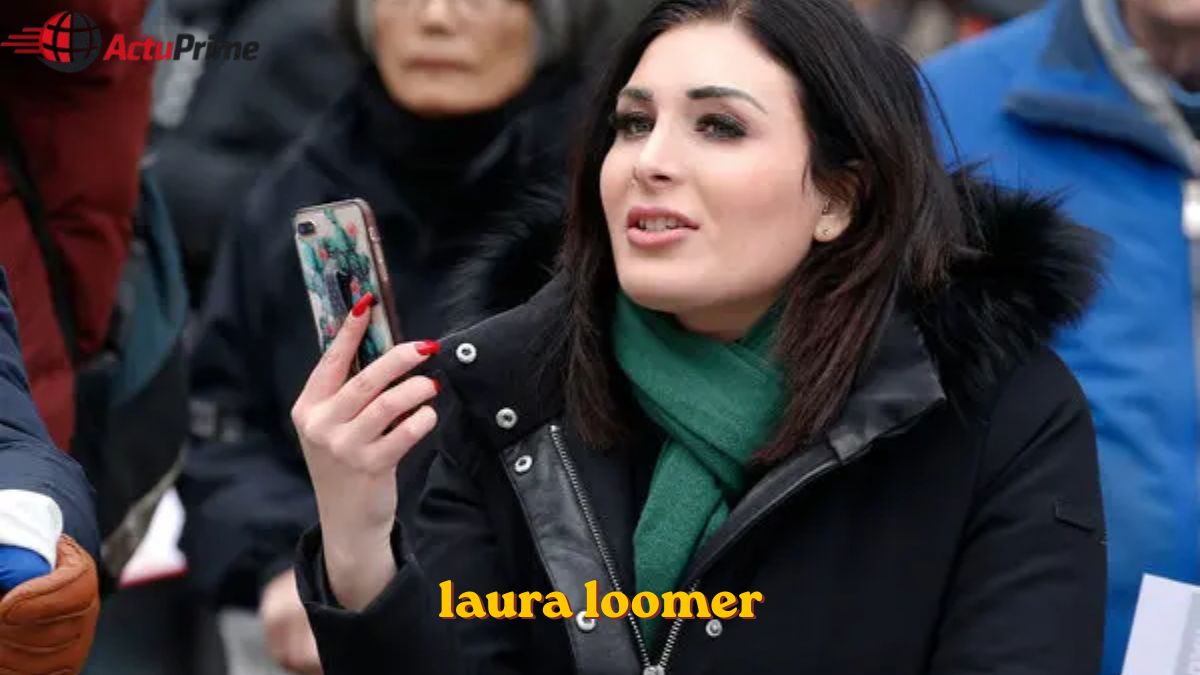
Searches around Laura Loomer plastic surgery often come from curiosity, confusion, and viral social media discussions. People see different photos of Laura Loomer across years and begin asking whether her appearance has changed due to cosmetic procedures, aging, lighting, or editing.
In today’s internet culture, even small visual changes in public figures can trigger massive speculation. Laura Loomer, being a highly visible and controversial political commentator, is no exception. Alongside political debates and her association with public figures such as Donald Trump, her appearance is frequently discussed online—often without verified evidence.
This article breaks down what is actually known, what is speculation, and how online narratives about appearance evolve. You’ll also understand why “before and after” comparisons go viral, how misinformation spreads, and what factors realistically explain changes in public images over time. The goal is not gossip, but clarity—helping you interpret viral claims more critically and accurately.
Understanding the “Plastic Surgery” Search Trend
Why people search this topic
The keyword “Laura Loomer plastic surgery” is driven by three main behaviors:
- Viral comparison posts on social media
- Edited or low-quality images circulating online
- Human tendency to detect “changes” in familiar faces
When someone is frequently in the news or political commentary space, their photos are reused across different contexts—often with different lighting, makeup, angles, or resolutions. This alone can create a perception of physical change.
Important reality check
There is no confirmed, publicly verified medical evidence that the person has undergone cosmetic surgery. Most claims online are based on visual comparison rather than factual documentation.
Laura Loomer Before and After: What People Actually Notice
Perceived changes over time
When users search for Laura Loomer before plastic surgery or before and after pictures, they are usually reacting to:
- Different makeup styles
- Weight fluctuations (normal over time)
- Camera angles and lighting differences
- Social media filters or image compression
- Natural aging process
Even subtle differences in eyebrows, contouring, or hairstyle can significantly alter perceived facial structure.
The psychology behind “before vs after”
Humans are naturally pattern-seeking. When a public figure becomes more recognizable, the brain tries to map earlier images onto newer ones. If there is any mismatch, it is often interpreted as “surgery” or “enhancement,” even when no such change occurred.
Has Laura Loomer Had Plastic Surgery?
What can be responsibly stated
There is:
- No confirmed medical statement
- No verified personal confirmation
- No reliable public documentation
Therefore, claims remain speculative and internet-based only.
Why rumors persist
Three major reasons:
- High visibility in political media
- Reposting of outdated images
- Algorithm-driven comparison content
Once a rumor enters social media loops, it can be repeated without verification.
Media, Politics, and Appearance Narratives
The role of controversy
As a politically active figure, Laura Loomer is often discussed not only for her opinions but also her personal presentation. This creates a cycle where appearance becomes part of the political narrative.
Connection to public figures like Trump
Her association with political movements and alignment with figures such as Donald Trump increases visibility, which in turn increases scrutiny of every public appearance.
This is a common pattern:
- More visibility → more image comparisons
- More controversy → more viral reposts
- More reposts → more misinformation risk
Common Mistakes People Make When Interpreting Images
1. Ignoring time gaps
A 5–10 year gap can naturally change facial features due to aging alone.
2. Comparing edited vs raw photos
Social media images are often:
- Filtered
- Cropped
- Reshared in low resolution
3. Assuming similarity equals surgery
Many changes people notice are actually:
- Makeup contouring
- Hairstyle changes
- Different camera lenses
4. Forgetting context
A photo taken during a formal event vs a casual environment can look completely different.
The “Before and After” Trap on Social Media
One of the most important insights (often missing in top-ranking articles) is that most viral “before and after” comparisons are not chronological or consistent.
Instead:
- Images are selected selectively
- Flattering vs unflattering angles are chosen
- Years are mixed incorrectly
This creates a false visual narrative that appears convincing but is methodologically flawed.
Plastic Surgery Claims in Political Figures: A Wider Pattern
The discussion around Laura Loomer is not unique. Many public figures face similar speculation because:
- Politics increases emotional engagement
- Emotional engagement increases scrutiny
- Scrutiny often shifts to personal appearance
This is less about surgery itself and more about how digital audiences process identity changes visually.
How to Evaluate Appearance Claims Critically
If you encounter claims about plastic surgery online, use this checklist:
Ask:
- Are images from the same year?
- Are lighting and angles consistent?
- Is there any verified statement?
- Are sources repeating each other or independent?
Red flags:
- “Before and after” without dates
- Highly edited collages
- No primary source confirmation
- Sensational wording
Real-Life Example Scenario
Imagine a public figure photographed:
- In 2015 under harsh indoor lighting
- In 2024 under professional studio lighting
Even without any physical change, the face may appear:
- Sharper
- More defined
- Or softer depending on contrast
This is why visual comparison alone is unreliable.
Unique Insight: The “Algorithm Effect” on Appearance Rumors
A less discussed factor is how recommendation algorithms amplify visual speculation.
When users engage with:
- “before and after” videos
- transformation content
- celebrity comparison posts
Platforms automatically promote similar content, reinforcing the belief that there is a “story” to uncover—even when there is no factual basis.
Unique Insight: Political Identity Affects Perceived Appearance
Another overlooked point is cognitive bias:
When someone strongly agrees or disagrees with a public figure’s politics, their brain can subconsciously interpret their appearance differently.
- Supporters may see consistency or familiarity
- Critics may perceive exaggeration or artificial change
This is called motivated perception bias and is especially strong in political personalities like Laura Loomer.
Unique Insight: Digital Aging vs Real Aging
Online images often don’t reflect real aging accurately because:
- Filters smooth skin textures
- Cameras enhance contrast
- Reposted images lose quality over time
So a “before and after” comparison online may actually be:
“digital distortion vs edited modern photo”
rather than actual physical transformation.
FAQ
1. Did Laura Loomer have plastic surgery?
There is no verified or confirmed evidence that Laura Loomer has undergone plastic surgery. Most claims are based on online speculation and image comparisons.
2. Why does Laura Loomer look different in older photos?
Differences are usually due to aging, makeup, lighting, and camera quality. These factors can significantly change how a face appears without any surgical intervention.
3. Are before and after pictures reliable?
Not always. Many viral comparisons mix different years, angles, and edited images, which can create misleading impressions.
4. Is the plastic surgery rumor confirmed?
No credible medical or personal confirmation exists. The rumor remains unverified.
5. Why do political figures face appearance rumors?
Because they are highly visible, frequently photographed, and often emotionally debated, making them more susceptible to visual speculation.
6. Does Laura Loomer comment on these rumors?
She has occasionally addressed online narratives, but there is no formal or consistent confirmation of any cosmetic procedure claims.
Conclusion
The discussion around Laura Loomer plastic surgery is a clear example of how modern internet culture blends politics, image comparison, and speculation. In reality, there is no confirmed evidence of cosmetic surgery, and most perceived changes can be explained through normal factors like aging, makeup, and media presentation.
What stands out more than the rumor itself is how quickly visual narratives form online—even without verified information. Understanding this helps you interpret similar claims more critically in the future.
In the end, public perception is often shaped less by reality and more by how images are circulated, edited, and consumed.